Culinary Delight Unveiled: Exploring the Wonders of Couscous
- History and origin of couscous: Tracing its roots in North Africa
- Types of couscous: Traditional and instant variations
- Nutritional benefits of couscous: Packed with essential vitamins and minerals
- Cooking methods for couscous: Steaming, boiling, and other techniques
- Popular couscous recipes: Exploring delicious dishes from around the world
- Serving suggestions and pairing options: Enhancing the flavor and presentation
- Tips for buying and storing couscous: Ensuring freshness and quality
Couscous, a versatile and nutritious food, has been delighting taste buds for centuries. This tiny grain-like pasta is made from semolina wheat and is a staple in many cuisines around the world. With its mild flavor and delicate texture, couscous serves as a perfect canvas for various flavors and ingredients. Whether used as a base for hearty stews or as a light side dish, couscous adds depth and richness to any meal. Its versatility makes it an essential ingredient in every kitchen, allowing chefs to create culinary masterpieces with ease.
History and origin of couscous: Tracing its roots in North Africa
Couscous, a staple in North African cuisine, has a rich history that dates back centuries. Its origins can be traced to the Berber people of North Africa, who were skilled in cultivating wheat and barley. The word "couscous" itself is derived from the Berber term "seksu," which means well-rolled or rounded.
The exact time and place of couscous' invention remain unclear, but it is believed to have been developed in the region that encompasses modern-day Algeria, Morocco, and Tunisia. Historical records suggest that couscous was consumed as early as the 9th century.
Originally, couscous was made by hand using a special technique called "pearling." This involved rolling moistened semolina wheat grains between the palms until they formed small pellets. These pellets were then dried and used for cooking.
Over time, as trade routes expanded across the Mediterranean, couscous spread to other parts of the world. It became particularly popular in France during the colonial period when French settlers encountered this unique dish in North Africa.
Today, couscous is enjoyed worldwide and has become an integral part of many cuisines beyond its North African roots. Its versatility and delicious taste have made it a beloved ingredient in countless recipes around the globe.
Types of couscous: Traditional and instant variations
Couscous comes in two main variations: traditional and instant. Traditional couscous is made by rolling semolina wheat into tiny granules, which are then steamed to perfection. This process gives it a light and fluffy texture that is perfect for absorbing flavors. On the other hand, instant couscous is pre-cooked and dried, making it quick and convenient to prepare. While it may lack the same level of authenticity as traditional couscous, it still offers a delicious and versatile option for those short on time. Whether you choose traditional or instant couscous, both varieties can be used in a wide range of recipes, making them a staple in any culinary repertoire.
Nutritional benefits of couscous: Packed with essential vitamins and minerals
Couscous is not only a delicious and versatile food, but it also offers numerous nutritional benefits. Packed with essential vitamins and minerals, couscous is a great addition to any balanced diet. It is a good source of carbohydrates, providing energy for the body. Additionally, couscous contains fiber, which aids in digestion and helps maintain a healthy weight. It is also rich in B vitamins, such as thiamin and niacin, which are important for metabolism and overall brain function. Furthermore, couscous contains minerals like iron and magnesium that support proper blood circulation and bone health. With its impressive nutritional profile, couscous is truly a wholesome choice for those seeking both taste and nourishment.
Cooking methods for couscous: Steaming, boiling, and other techniques
When it comes to cooking couscous, there are several methods that can be used to achieve the perfect texture and flavor. The most common methods include steaming and boiling. Steaming couscous involves placing it in a colander or steamer basket over simmering water and allowing the steam to cook it gradually. This method ensures that each grain remains fluffy and separate.
Boiling couscous is another popular technique, where the grains are cooked in a pot of boiling water until tender. This method is quicker than steaming and results in a slightly softer texture. Some chefs also prefer to toast the couscous before cooking, which adds a nutty flavor to the dish.
Aside from steaming and boiling, there are other creative techniques for cooking couscous. One such method is using a rice cooker or pressure cooker, which can simplify the cooking process and save time. Another option is baking couscous in the oven, either on its own or as part of a casserole dish.
Experimenting with different cooking methods can yield unique flavors and textures. Whether you choose to steam, boil, bake, or use any other technique, couscous is an incredibly versatile ingredient that adapts well to various culinary styles.
Popular couscous recipes: Exploring delicious dishes from around the world
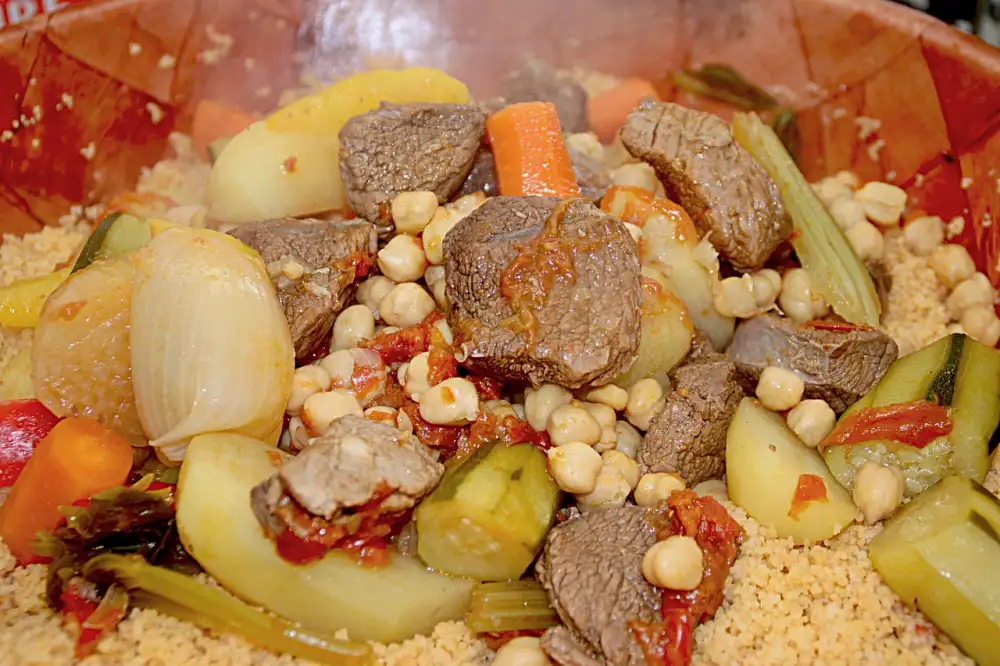
Couscous is a versatile ingredient that can be used in a variety of dishes from different cuisines. In Morocco, one popular recipe is "Couscous Royale," which features tender lamb, chicken, and vegetables cooked in a flavorful broth. In Tunisia, "Tunisian Couscous" is a spicy dish made with harissa paste, chickpeas, and grilled vegetables. In Algeria, "Merguez Couscous" is a hearty dish made with spicy lamb sausages and caramelized onions. And in France, "Couscous Provençal" combines couscous with Mediterranean flavors like tomatoes, olives, and herbs. These recipes showcase the versatility of couscous and its ability to adapt to different culinary traditions.
Serving suggestions and pairing options: Enhancing the flavor and presentation
When it comes to serving couscous, the options are endless. This versatile grain can be paired with a variety of ingredients to enhance its flavor and presentation. For a Mediterranean twist, try mixing cooked couscous with chopped tomatoes, cucumbers, and feta cheese. Drizzle with olive oil and lemon juice for a refreshing salad. For a heartier option, toss couscous with roasted vegetables and grilled chicken or shrimp. The nutty flavor of couscous also pairs well with herbs like parsley, mint, and cilantro. Don't be afraid to get creative and experiment with different flavors to create your own culinary masterpiece!
Tips for buying and storing couscous: Ensuring freshness and quality
When buying couscous, it is important to choose a high-quality brand. Look for couscous that is made from durum wheat, as this will ensure a firm and flavorful texture. Check the packaging for any signs of damage or moisture, as this can indicate poor quality or spoilage. To maintain freshness, store couscous in an airtight container in a cool and dry place, away from direct sunlight. It is best to use couscous within six months of purchase to enjoy its optimal taste and texture.
In conclusion, couscous is a culinary delight that should not be overlooked. Its versatility, rich history, and nutritional benefits make it a must-have ingredient in any kitchen. Whether you prefer traditional or instant couscous, there are endless possibilities for creating delicious and healthy meals. From Moroccan tagines to Mediterranean salads, couscous adds a unique texture and flavor to dishes from around the world. So why not embrace the artistry of couscous and elevate your cooking to new heights? Try incorporating this ancient grain into your recipes and let your taste buds be amazed!
Published: 13. 05. 2025
Category: Recipes