Decoding the Delicious: Egg Roll vs Spring Roll - Unraveling the Differences in Our Delectable Recipes
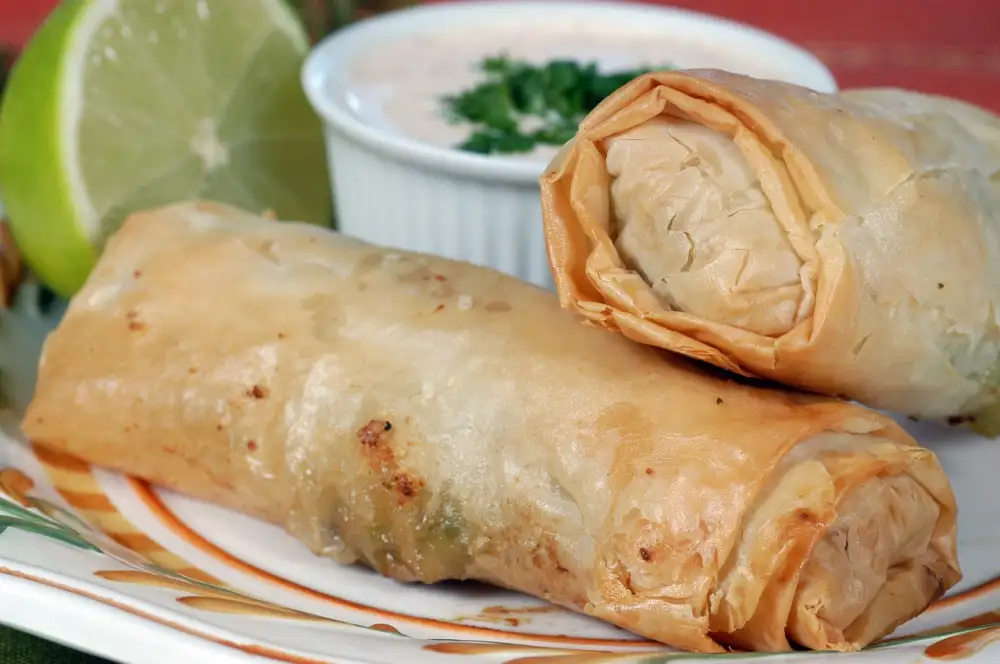
When it comes to delectable delights, few dishes can rival the crispy and flavorful goodness of egg rolls and spring rolls. These popular Asian delicacies have captured the hearts and taste buds of food enthusiasts all around the world. While both may appear similar at first glance, there are subtle differences that set them apart. In this article, we will unravel the mysteries behind these culinary masterpieces and explore the unique characteristics that make egg rolls and spring rolls so irresistible. So get ready to embark on a gastronomic adventure as we decode the deliciousness of egg rolls and spring rolls!
Definition of Egg Roll
The egg roll is a popular dish in Chinese cuisine, known for its crispy exterior and savory filling. It is typically made by wrapping a mixture of vegetables, meat, and sometimes noodles or rice in a thin wheat-based wrapper. The roll is then deep-fried until golden brown, resulting in a crunchy texture that contrasts with the tender filling. The name "egg roll" is derived from the fact that some recipes include scrambled eggs as part of the filling. This delectable appetizer has become a staple in Chinese-American cuisine and is often enjoyed with dipping sauces such as sweet and sour or plum sauce.
Ingredients and Preparation of Egg Roll
The key to a delectable egg roll lies in its ingredients and preparation. Traditionally, the filling is made with a combination of finely chopped vegetables such as cabbage, carrots, and bean sprouts. Additional ingredients like mushrooms, bamboo shoots, and water chestnuts can also be added for extra flavor and texture.
To give the filling a savory taste, it is common to include cooked meat such as pork or chicken. However, for our vegetarian friends, tofu can be used as a substitute. The ingredients are stir-fried together with fragrant garlic and ginger until they are tender yet still retain their crunch.
Once the filling is ready, it is time to assemble the egg rolls. A thin sheet of egg-based dough is used as the wrapper. This dough is typically made by whisking eggs with flour and water until a smooth batter forms. The batter is then poured onto a hot griddle or skillet to create thin crepe-like sheets.
Each sheet of dough is carefully filled with a generous amount of the vegetable mixture before being rolled up tightly into a cylinder shape. To seal the rolls, a mixture of cornstarch and water can be used as an adhesive.
Finally, the egg rolls are deep-fried until they turn golden brown and crispy on the outside while remaining soft on the inside. The result is an irresistible combination of flavors and textures that make egg rolls an absolute delight to savor.
Characteristics and Appearance of Egg Roll
The egg roll is a delightful culinary creation that boasts a unique set of characteristics and a visually appealing appearance. One of the defining features of an egg roll is its crispy and golden-brown exterior, which is achieved by deep frying the roll until it becomes perfectly crunchy. The outer layer is made from a thin sheet of wheat-based dough, giving it a delicate texture.
When you take a bite into an egg roll, you will be greeted with a satisfying crunch followed by a medley of flavors. The filling inside typically consists of various ingredients such as finely chopped vegetables like cabbage, carrots, and bean sprouts, along with seasoned ground meat or shrimp. This combination creates a harmonious blend of textures and tastes.
Another notable characteristic of the egg roll is its cylindrical shape. The filling is carefully wrapped in the dough, creating a tight seal to ensure that none of the delicious flavors escape during cooking. This shape also makes it easy to hold and eat without any mess or fuss.
Visually, the egg roll is an enticing sight to behold. Its golden exterior contrasts beautifully with the vibrant colors of the vegetables peeking through the translucent dough. Served alongside dipping sauces such as sweet and sour or soy sauce, the egg roll presents itself as an appetizing treat that promises both flavor and visual appeal.
In summary, the egg roll's characteristics include its crispy exterior, delicate wheat-based dough, flavorful filling, cylindrical shape, and visually appealing presentation. It truly embodies the artistry in cooking by combining taste and aesthetics into one delectable masterpiece.
Definition of Spring Roll
Spring rolls are a popular dish in Asian cuisine, particularly in China and Vietnam. These delectable delights are made by wrapping a variety of fillings in a thin pastry wrapper, typically made from rice flour or wheat flour. The fillings can vary widely and may include vegetables like cabbage, carrots, and bean sprouts, as well as proteins such as shrimp, chicken, or tofu. The rolls are then deep-fried until they turn golden brown and crispy on the outside. Spring rolls are known for their light and delicate texture, making them a perfect appetizer or snack option. They are often served with dipping sauces like sweet chili sauce or peanut sauce to enhance their flavors.
Ingredients and Preparation of Spring Roll
The preparation of a spring roll begins with a delicate rice paper wrapper. This translucent sheet is soaked in water until pliable, then carefully filled with an array of fresh ingredients. The filling typically consists of thinly sliced vegetables such as carrots, cabbage, and bean sprouts, along with aromatic herbs like cilantro and mint. Protein options can include shrimp, chicken, or tofu for a vegetarian version. The ingredients are arranged neatly on the rice paper and then rolled tightly to enclose the filling. Spring rolls are often served fresh and raw, showcasing the vibrant colors and crisp textures of the ingredients. They can also be deep-fried for a crispy exterior that adds an extra dimension of flavor. The versatility of spring rolls allows for endless variations, making them a popular choice in Asian cuisine.
Characteristics and Appearance of Spring Roll
The Spring Roll is a delicate and light appetizer that originates from East Asia. It is known for its translucent and thin wrapper made from rice flour, which gives it a unique appearance. The wrapper is usually filled with a combination of fresh vegetables such as carrots, cabbage, bean sprouts, and sometimes mushrooms or tofu. The filling is often seasoned with soy sauce, garlic, ginger, and other aromatic spices to enhance its flavor. The spring roll is typically served cold or at room temperature, making it a refreshing choice for hot summer days. Its appearance showcases the vibrant colors of the vegetables peeking through the translucent wrapper, creating an enticing visual appeal. The spring roll's slender shape and transparent covering make it an elegant addition to any dining table or party platter.
Key Differences Between Egg Roll and Spring Roll
While both egg rolls and spring rolls are popular dishes in many Asian cuisines, there are several key differences that set them apart.
1. Wrappers: The most noticeable difference lies in the wrappers used for these two delicacies. Egg rolls are typically wrapped in a thicker, dough-like wrapper made with eggs, giving them a crispy and slightly chewy texture. On the other hand, spring rolls are wrapped in thin, translucent rice paper wrappers that become soft and delicate when cooked.
2. Filling: Another significant difference is the filling used in each roll. Egg rolls usually contain a mixture of vegetables like cabbage, carrots, and bean sprouts along with meat such as pork or chicken. They are often seasoned with soy sauce or other savory spices. Spring rolls, on the other hand, have a lighter and fresher filling consisting of julienned vegetables like lettuce, cucumber, and herbs like mint or cilantro. They can also be filled with shrimp or tofu for added flavor.
3. Cooking Method: The cooking methods for egg rolls and spring rolls also differ. Egg rolls are typically deep-fried until golden brown to achieve their signature crispy exterior. Spring rolls, on the other hand, can be either deep-fried or served fresh without frying.
4. Regional Variations: It's worth noting that there are regional variations of both egg rolls and spring rolls across different Asian cuisines. For example, Chinese-style egg rolls tend to be larger and have a heartier filling compared to Vietnamese-style spring rolls which focus more on fresh ingredients.
In conclusion, while both egg rolls and spring rolls share similarities in terms of being rolled appetizers filled with delicious ingredients, their differences lie in the type of wrapper used, the filling composition, cooking method, and regional variations. Whether you prefer the crispy richness of an egg roll or the light freshness of a spring roll ultimately comes down to personal taste.
In conclusion, while both egg rolls and spring rolls are delicious and popular dishes in many cuisines, they have distinct differences that set them apart. Egg rolls are typically made with a flour-based wrapper and filled with a mixture of vegetables, meat, and sometimes noodles. They are then deep-fried to a crispy golden brown. On the other hand, spring rolls are made with a thin rice paper wrapper and filled with fresh vegetables, herbs, and sometimes shrimp or tofu. They are usually served fresh or lightly fried.
The key differences between egg rolls and spring rolls lie in their wrappers, fillings, cooking methods, and overall appearance. Egg rolls have a thicker and crunchier texture due to the deep-frying process, while spring rolls have a lighter and more delicate texture. The fillings in egg rolls tend to be heartier and cooked, whereas spring roll fillings are often raw or lightly cooked.
Whether you prefer the satisfying crunch of an egg roll or the refreshing flavors of a spring roll, both options offer unique culinary experiences that cater to different preferences. So next time you're craving some delectable Asian cuisine, remember to consider these differences when choosing between an egg roll or a spring roll.
Published: 15. 01. 2025
Category: Recipes