Discover the Benefits of Soft Splints for Orthopedic Support in Health Care
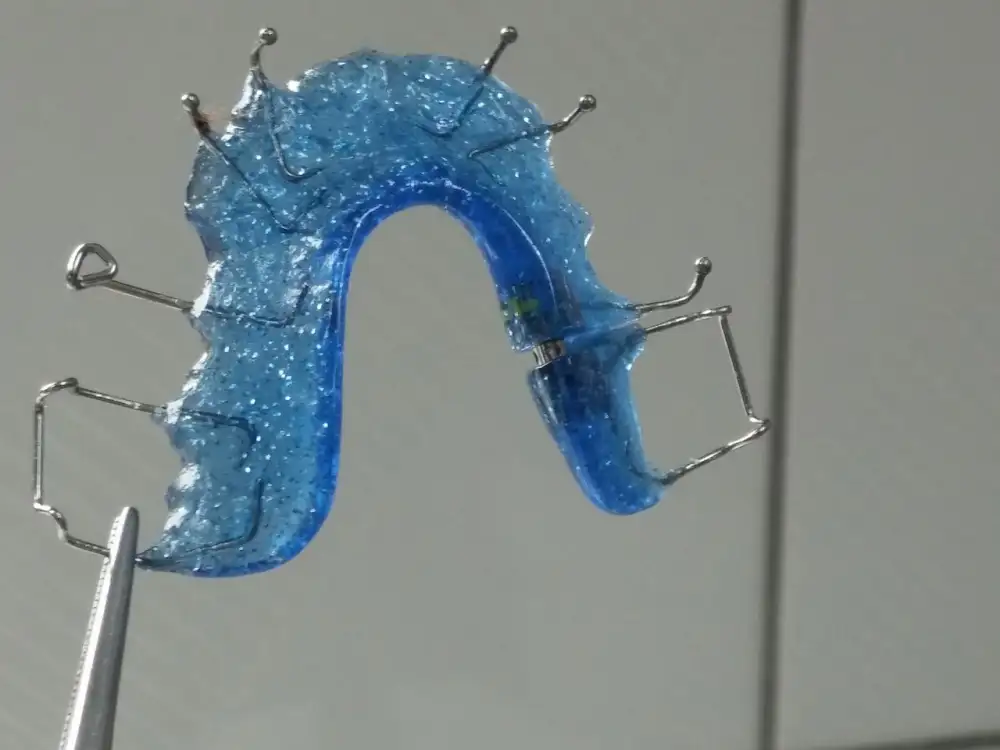
Soft splints are orthopedic devices designed to provide support and protection to injured or weakened limbs. Unlike traditional rigid splints, soft splints are made from flexible materials such as foam, neoprene, or fabric, offering a more comfortable and customizable fit for patients. These splints are commonly used in healthcare settings to immobilize joints, reduce pain, and promote healing in various musculoskeletal conditions. Soft splints are lightweight, breathable, and can be easily adjusted to accommodate swelling or changes in limb size, making them an ideal choice for individuals requiring long-term orthopedic support.
Benefits of Using Soft Splints
Soft splints offer numerous benefits for individuals requiring orthopedic support. Firstly, they provide gentle immobilization and support to injured or weakened body parts, aiding in the healing process. Additionally, soft splints are lightweight and comfortable to wear, promoting compliance with treatment plans. They also help reduce pain and inflammation by stabilizing joints and muscles. Moreover, soft splints are versatile and can be customized to fit individual needs, ensuring optimal comfort and effectiveness in managing various musculoskeletal conditions.
Conditions Treated with Soft Splints
Soft splints are versatile orthopedic devices that can effectively treat a variety of conditions. They are commonly used to support and stabilize joints affected by arthritis, tendonitis, and ligament injuries. Soft splints can also provide relief for individuals suffering from carpal tunnel syndrome, sprains, strains, and post-operative rehabilitation. Additionally, they are beneficial in managing conditions such as plantar fasciitis, bursitis, and repetitive stress injuries. By providing gentle compression and support to the affected area, soft splints help alleviate pain and promote healing.
How Soft Splints Work
Soft splints work by providing support and stability to injured or weakened joints and muscles. They help in immobilizing the affected area to prevent further damage and promote healing. By restricting movement, soft splints reduce pain and inflammation, allowing the body to recover effectively. Additionally, soft splints can also help improve circulation and reduce swelling in the affected area. The gentle compression provided by soft splints aids in reducing muscle spasms and promoting proper alignment of the joint for optimal healing.
Types of Soft Splints Available
Soft splints come in various types to cater to different orthopedic needs. Some common types include wrist splints, ankle-foot orthoses (AFOs), knee immobilizers, and elbow splints. Wrist splints are often used to provide support and stability for conditions like carpal tunnel syndrome or wrist sprains. AFOs are beneficial for individuals with foot drop or other gait abnormalities. Knee immobilizers help stabilize the knee joint after injury or surgery, while elbow splints aid in conditions such as tennis elbow or fractures. Each type of soft splint is designed to address specific anatomical areas and provide targeted support for optimal healing and comfort.
Proper Care and Maintenance of Soft Splints
Proper care and maintenance of soft splints are essential to ensure their effectiveness and longevity. To keep your soft splint in good condition, it is important to regularly clean it with mild soap and water, making sure to rinse thoroughly and allow it to air dry completely before use. Avoid exposing the splint to high temperatures or direct sunlight as this can damage the material. Store the splint in a cool, dry place when not in use to prevent any deformation or weakening of the structure. Regularly inspect the splint for any signs of wear and tear, such as fraying or stretching, and replace it if necessary to maintain optimal support for your orthopedic needs.
Consultation and Fitting Process
When considering soft splints for orthopedic support, it is crucial to consult with a healthcare professional specializing in orthotics. During the consultation, the healthcare provider will assess the patient's condition, mobility needs, and lifestyle to determine the most suitable type of soft splint.
The fitting process involves taking precise measurements of the affected area to ensure a proper fit. The soft splint should be snug but not too tight to avoid restricting blood flow or causing discomfort. Adjustments may be necessary to customize the splint for optimal support and comfort.
It is essential for patients to follow the healthcare provider's instructions on wearing the soft splint correctly and for the recommended duration. Regular follow-up appointments may be scheduled to monitor progress, make any necessary adjustments, and ensure that the soft splint continues to provide effective orthopedic support.
In conclusion, soft splints offer a versatile and effective solution for orthopedic support in healthcare. Their benefits include comfort, flexibility, and ease of use compared to traditional rigid splints. Soft splints can effectively treat a variety of conditions such as carpal tunnel syndrome, arthritis, and tendonitis. By providing gentle support and immobilization, soft splints aid in the healing process and promote better outcomes for patients. Proper care and maintenance are essential to ensure the longevity and effectiveness of soft splints. Consulting with a healthcare professional for fitting and guidance on usage is crucial to maximize the benefits of soft splints. Overall, incorporating soft splints into orthopedic treatment plans can significantly improve patient comfort and recovery outcomes.
Published: 20. 01. 2026
Category: Recipes