Exploring the Human Stomach: A Visual Guide to Digestive Health
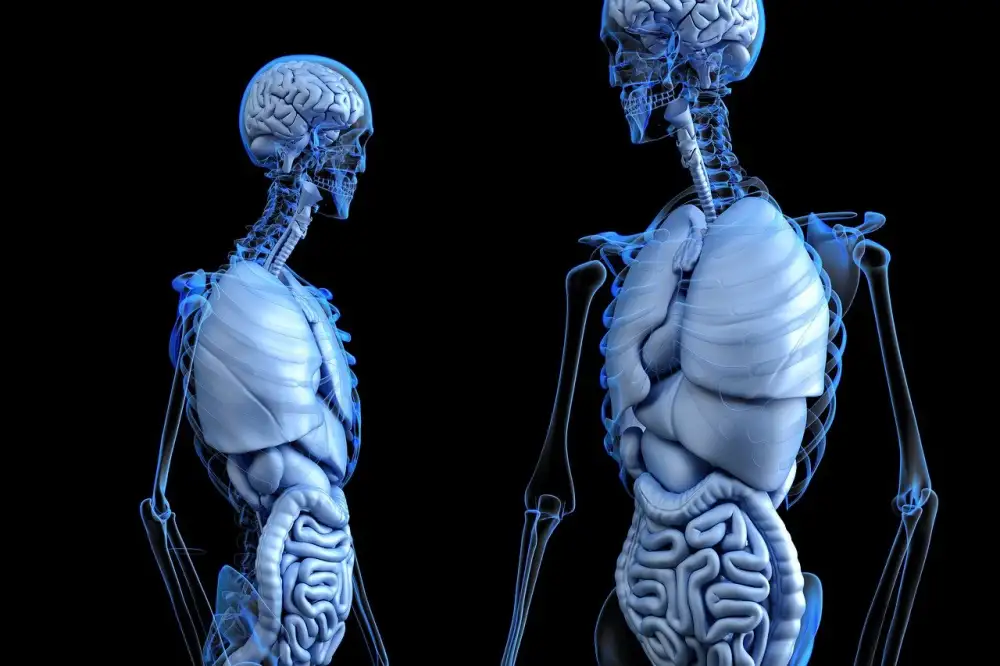
The human stomach is a vital organ responsible for breaking down food into nutrients that our body can absorb. It plays a crucial role in the digestive process, aiding in the digestion of proteins and fats. The stomach is located in the upper abdomen, just below the rib cage, and is typically around the size of a fist when empty. Its inner lining is made up of folds called rugae, which expand as food enters the stomach. Understanding the structure and function of the stomach is essential for maintaining overall digestive health.
Importance of Understanding Stomach Health
The stomach plays a crucial role in our overall health and well-being. Understanding the importance of stomach health is essential as it directly impacts digestion, nutrient absorption, and immune function. A healthy stomach can prevent various gastrointestinal issues such as indigestion, acid reflux, and ulcers. By maintaining good stomach health, we can improve our quality of life and reduce the risk of developing chronic conditions like gastritis or even stomach cancer. Prioritizing stomach health through proper diet, hydration, and lifestyle choices is key to promoting optimal digestion and overall wellness.
Anatomy of the Human Stomach
The human stomach is a muscular organ located on the left side of the upper abdomen. It plays a crucial role in digestion by breaking down food into smaller particles through the secretion of gastric juices containing hydrochloric acid and enzymes like pepsin. The stomach has four main regions: the cardia (where the esophagus connects), the fundus (upper portion for temporary food storage), the body (main central region for mixing and digesting food), and the pylorus (lower part that regulates food passage into the small intestine). The stomach lining contains millions of gastric pits that lead to gastric glands, which produce digestive juices. This intricate system allows for efficient digestion and absorption of nutrients essential for overall health.
Common Stomach Conditions and Diseases
The human stomach is susceptible to various conditions and diseases that can impact digestive health. Gastritis, an inflammation of the stomach lining, can result from factors like excessive alcohol consumption or prolonged use of nonsteroidal anti-inflammatory drugs (NSAIDs). Peptic ulcers, open sores in the stomach lining or small intestine, are often caused by Helicobacter pylori bacteria or long-term use of NSAIDs. Gastroesophageal reflux disease (GERD) occurs when stomach acid flows back into the esophagus, leading to heartburn and potential damage to the esophagus. Stomach cancer, although less common, can also develop and may require aggressive treatment depending on the stage of the disease. Regular check-ups with a healthcare provider can help diagnose and manage these conditions effectively.
Tips for Maintaining a Healthy Stomach
**Tips for Maintaining a Healthy Stomach**
1. **Eat a Balanced Diet:** Incorporate plenty of fruits, vegetables, whole grains, and lean proteins into your meals. Avoid excessive consumption of processed foods, sugary drinks, and high-fat foods.
2. **Stay Hydrated:** Drink an adequate amount of water throughout the day to help with digestion and prevent constipation.
3. **Practice Portion Control:** Overeating can put a strain on your stomach and digestive system. Eat smaller, more frequent meals to aid in digestion.
4. **Chew Your Food Thoroughly:** Properly chewing your food helps break it down before it reaches your stomach, making it easier for your digestive system to process.
5. **Limit Alcohol and Caffeine:** Excessive alcohol and caffeine consumption can irritate the stomach lining and lead to digestive issues. Moderation is key.
6. **Manage Stress:** Stress can impact digestion and exacerbate stomach problems like ulcers or acid reflux. Engage in stress-reducing activities such as yoga, meditation, or exercise.
7. **Exercise Regularly:** Physical activity helps maintain a healthy weight and promotes overall digestive health by aiding in regular bowel movements.
By following these simple tips, you can support the health of your stomach and improve your overall well-being. Remember that listening to your body's signals and seeking medical advice if you experience persistent stomach issues are crucial steps in maintaining optimal digestive health.
In conclusion, the human stomach plays a crucial role in our overall health and well-being. Understanding its anatomy, functions, and common conditions is essential for maintaining good digestive health. By adopting healthy eating habits, managing stress levels, staying hydrated, and seeking medical advice when needed, we can support our stomach's health and prevent potential issues. Remember, a happy stomach leads to a happier you!
Published: 03. 03. 2026
Category: Food