Pan-Seared Perfection: Master the Art of Cooking Salmon in a Pan with this Delectable Recipe
- Selecting the perfect salmon fillet
- Preparing the salmon fillet for cooking
- Seasoning the salmon fillet
- Heating the pan and adding oil
- Cooking the salmon fillet in the pan
- Flipping the salmon fillet for even cooking
- Checking for doneness
- Serving and garnishing the cooked salmon fillet
- Tips and variations for cooking salmon in a pan
Cooking salmon in a pan is a versatile and delicious way to prepare this popular fish. Whether you're a seasoned chef or a beginner in the kitchen, mastering the art of pan-searing salmon will elevate your culinary skills. With its crispy skin and tender, flaky flesh, pan-seared salmon is a culinary masterpiece that will impress your family and friends. In this article, we will guide you through the step-by-step process of cooking salmon in a pan, from selecting the perfect fillet to serving it with style. So grab your skillet and let's get started on this flavorful journey!
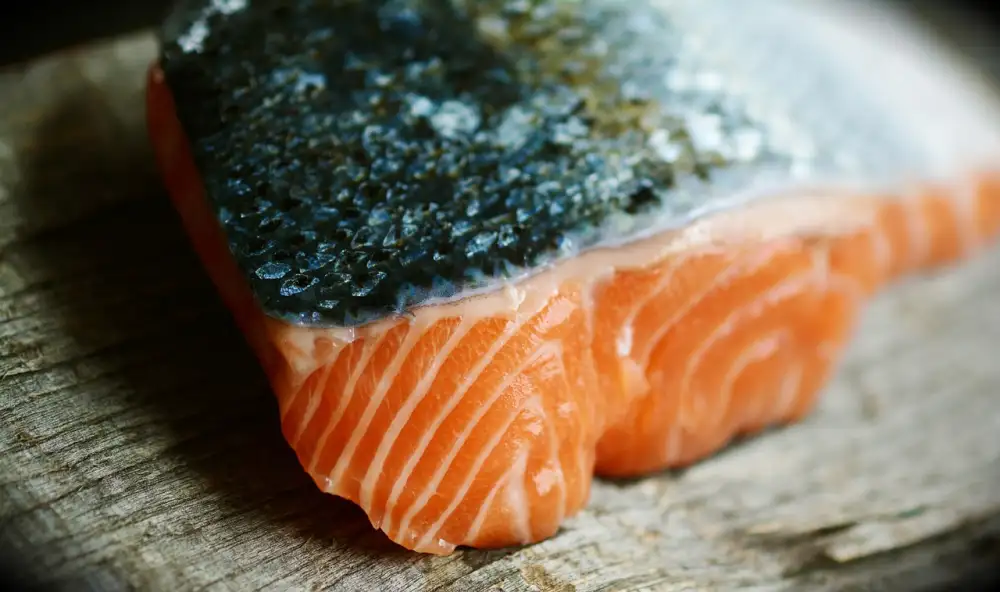
Selecting the perfect salmon fillet
When it comes to cooking salmon in a pan, selecting the perfect fillet is crucial. Look for fresh salmon with firm, shiny flesh and a mild aroma. Opt for wild-caught salmon if possible, as it tends to have a richer flavor. The color of the fillet should be vibrant, ranging from pink to deep orange. Avoid any fillets with brown spots or an overly fishy smell. Additionally, check for any signs of bruising or discoloration on the skin. Choosing a high-quality salmon fillet will ensure that your dish turns out flavorful and delicious.
Preparing the salmon fillet for cooking
Preparing the salmon fillet for cooking is an essential step in achieving a perfectly cooked dish. Start by patting the fillet dry with paper towels to remove any excess moisture. This will help the seasoning adhere better and ensure a crispy exterior. Next, check for any pin bones using your fingers or tweezers and remove them gently. If desired, you can also remove the skin by sliding a sharp knife between the flesh and skin and carefully separating them. However, leaving the skin on can add extra flavor and protect the delicate flesh during cooking. Once prepared, your salmon fillet is ready to be seasoned and cooked to perfection in a pan.
Seasoning the salmon fillet
Seasoning the salmon fillet is a crucial step in elevating its flavor profile. Begin by patting the fillet dry with a paper towel to ensure a crisp sear. Sprinkle both sides generously with salt and freshly ground black pepper, allowing the flavors to penetrate the fish. For an extra burst of flavor, add herbs such as dill or thyme, or even a squeeze of lemon juice. The seasoning will not only enhance the taste but also create a beautiful crust on the salmon as it cooks in the pan.
Heating the pan and adding oil
Heating the pan is a crucial step in achieving that perfect sear on your salmon fillet. Start by selecting a non-stick pan that is large enough to comfortably fit your fillet. Place the pan over medium-high heat and allow it to heat up for a few minutes. To test if the pan is hot enough, sprinkle a few drops of water onto the surface - if they sizzle and evaporate immediately, it's ready.
Once the pan is hot, add a drizzle of oil. Use an oil with a high smoke point such as canola or grapeseed oil, as these won't burn easily at high temperatures. Swirl the oil around to coat the bottom of the pan evenly. The oil should shimmer slightly when it's properly heated.
Adding oil to the hot pan ensures that the salmon won't stick and helps create a beautiful golden crust on the outside of the fillet. Be careful not to use too much oil as this can make your salmon greasy. A thin layer is all you need.
Now that your pan is hot and oiled, you're ready to move on to cooking the salmon fillet and bringing out its delicious flavors!
Cooking the salmon fillet in the pan
Once the pan is heated and the oil is shimmering, carefully place the seasoned salmon fillet skin side down in the pan. Allow it to cook undisturbed for about 4-5 minutes, or until the skin becomes crispy and golden brown. This will create a delicious crust on the fish.
Next, gently flip the salmon fillet using a spatula. Be careful not to break the fish apart. Cook for an additional 3-4 minutes on the other side until it is cooked through but still moist and tender in the center.
During cooking, you may notice some white protein collecting on the surface of the salmon. Don't worry, this is just coagulated protein and can be easily scraped off with a spoon.
To ensure even cooking, you can press down gently on the fillet with a spatula while it's cooking in the pan. This will help to ensure that every part of the fillet cooks evenly.
Remember, timing is crucial when cooking salmon in a pan. Overcooking can result in dry and tough fish, so keep a close eye on it to avoid this.
Once cooked to perfection, remove the salmon fillet from the pan and transfer it to a serving plate. Let it rest for a few minutes before serving to allow the juices to redistribute throughout.
Garnish your beautifully cooked salmon fillet with fresh herbs like dill or parsley for added flavor and visual appeal. Serve it alongside your favorite sides such as roasted vegetables or mashed potatoes for a complete meal that will impress even the most discerning palates.
Now that you've mastered cooking salmon in a pan, get creative with different seasonings and sauces to elevate your dish even further. Experiment with lemon zest, garlic butter, or teriyaki glaze for unique flavor profiles.
In conclusion, cooking salmon in a pan is an art that requires attention to detail and precision. By following these steps and tips, you can achieve pan-seared perfection every time. So grab your favorite salmon fillet and get ready to impress with this delectable recipe.
Flipping the salmon fillet for even cooking
Flipping the salmon fillet is a crucial step in achieving even cooking and a beautiful sear. Once the first side of the fillet has cooked for a few minutes, it's time to carefully flip it over using a spatula or tongs. Be gentle to avoid breaking the delicate flesh.
When flipping, make sure to do it swiftly and confidently, ensuring that the entire fillet is turned over. This will help to cook both sides evenly and prevent one side from becoming overcooked while the other remains undercooked.
If you're worried about the fillet sticking to the pan, gently loosen it with a spatula before flipping. The crispy skin should easily release from the pan once it's properly seared.
Remember, timing is key when flipping. Aim to flip the salmon when it's about halfway cooked on the first side. This will ensure that both sides are evenly cooked and result in a perfectly tender and moist fillet.
Once flipped, continue cooking for another few minutes until the second side is beautifully golden brown and crispy. Keep an eye on the fillet to prevent it from becoming overcooked.
By mastering this technique of flipping, you'll be able to achieve restaurant-quality salmon with a gorgeous sear on both sides. It's all about practice and getting comfortable with handling delicate fish fillets in a hot pan.
Checking for doneness
Checking for Doneness:
To ensure that your salmon is cooked to perfection, it's important to check for doneness. One way to do this is by gently pressing the center of the fillet with a fork or your finger. If the flesh springs back and feels firm, it is likely cooked through. Another method is to insert a thin knife into the thickest part of the fillet and see if it easily flakes apart. The flesh should be opaque and slightly pink in the center.
Remember that salmon will continue to cook after you remove it from the heat, so it's best to slightly undercook it rather than overcook it. If you prefer your salmon medium-rare, aim for a slightly translucent center. For a well-done fillet, cook until the flesh is completely opaque.
By mastering the art of checking for doneness, you can ensure that your pan-seared salmon turns out perfectly cooked every time.
Serving and garnishing the cooked salmon fillet
Once your salmon fillet is cooked to perfection, it's time to serve and garnish it for a truly delightful dining experience. Carefully transfer the cooked salmon onto a serving plate using a spatula or tongs, ensuring that it remains intact. To enhance the visual appeal, consider placing the salmon on a bed of fresh greens or a colorful medley of roasted vegetables.
To add an extra burst of flavor, drizzle some lemon juice over the top of the salmon. The citrusy tang will complement the richness of the fish beautifully. For added texture and crunch, sprinkle some toasted sesame seeds or chopped fresh herbs such as dill or parsley on top.
If you're looking to elevate your dish even further, consider serving the salmon with a side of creamy mashed potatoes or fluffy quinoa pilaf. The buttery smoothness of mashed potatoes pairs perfectly with the tender flakiness of the salmon, while quinoa adds a nutty and wholesome element.
For those who enjoy contrasting flavors, try serving the salmon with a tangy mango salsa or a zesty tomato relish. The fruity sweetness and vibrant acidity will provide a refreshing contrast to the richness of the fish.
Remember to garnish your plate with edible flowers or microgreens for an elegant touch. Not only do they add visual appeal, but they also bring subtle flavors that complement the dish.
By taking care in how you serve and garnish your cooked salmon fillet, you can turn an already delicious meal into a true work of art that will impress both your taste buds and your guests.
Tips and variations for cooking salmon in a pan
Tips and Variations for Cooking Salmon in a Pan:
1. Experiment with different seasonings: Try using herbs like dill, thyme, or rosemary to add a burst of flavor to your salmon fillet.
2. Add a citrus twist: Squeeze some lemon or lime juice over the salmon before cooking to enhance its natural flavors.
3. Get creative with marinades: Marinating the salmon in a mixture of soy sauce, honey, and garlic can give it a delicious Asian-inspired taste.
4. Opt for skin-on fillets: Cooking salmon with the skin on helps keep it moist and adds an extra layer of crispiness.
5. Try different cooking techniques: Besides pan-searing, you can also bake or grill the salmon fillet for a different texture and taste.
6. Serve with complementary sides: Pair your pan-seared salmon with roasted vegetables, quinoa, or a fresh salad for a well-rounded meal.
7. Don't overcook it: Salmon is best when cooked medium-rare to medium, ensuring it remains tender and juicy.
8. Use high-quality ingredients: Choose fresh, sustainably sourced salmon and high-quality oils for the best results.
By following these tips and experimenting with variations, you'll be able to create mouthwatering pan-seared salmon dishes that will impress your family and friends.
In conclusion, mastering the art of cooking salmon in a pan is a skill that every home cook should strive for. By following the steps outlined in this recipe, you can achieve pan-seared perfection every time. Remember to select a high-quality salmon fillet and properly prepare it before cooking. Seasoning with your favorite herbs and spices will enhance the flavor profile. Heating the pan and adding oil ensures a crispy exterior while maintaining a moist interior. Flip the fillet carefully to cook evenly on both sides. Checking for doneness by gently pressing the flesh will ensure perfectly cooked salmon. Finally, serve your masterpiece with your choice of garnishes and enjoy the delicious flavors of this versatile fish. With practice and experimentation, you can create endless variations of this classic dish. So grab your pan and get ready to impress your family and friends with your newfound culinary skills!
Published: 24. 02. 2025
Category: Recipes