Preserving Onion Perfection: Expert Tips on Proper Onion Storage
- Choosing the Right Onions for Storage
- Preparing Onions for Storage
- Selecting the Ideal Storage Location
- Storing Onions in a Cool and Dry Environment
- Avoiding Exposure to Moisture and Light
- Using Proper Containers for Onion Storage
- Checking and Sorting Onions Regularly
- Tips for Extending Onion Shelf Life
Proper onion storage is essential for preserving the flavor, texture, and quality of these versatile and flavorful bulbs. Whether you use onions as a base for soups and stews or as a star ingredient in your favorite dishes, knowing how to store them correctly will ensure that they stay fresh for longer periods. In this article, we will explore expert tips on proper onion storage, from selecting the right onions to choosing an ideal storage location and using the appropriate containers. By mastering the art of onion storage, you can enjoy their perfection in every culinary masterpiece you create.
Choosing the Right Onions for Storage
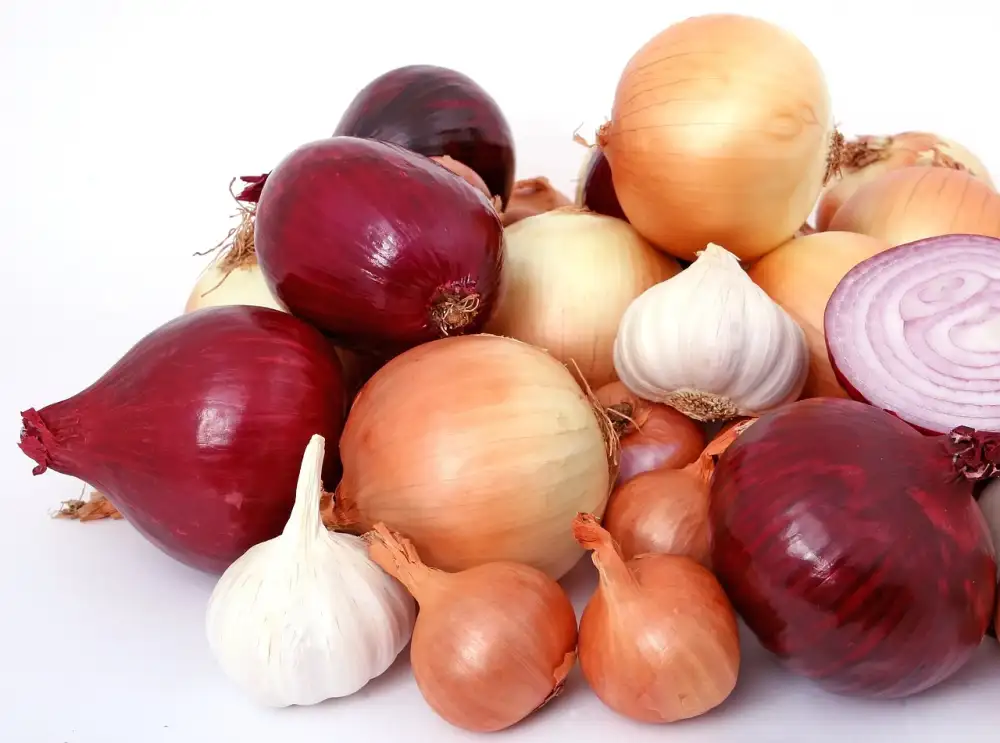
Choosing the right onions for storage is crucial to ensure their longevity and quality. Look for onions with firm, dry skins and no signs of bruising or soft spots. Varieties such as yellow onions, red onions, and shallots are known to have good storage capabilities. Avoid storing sweet or Vidalia onions as they have higher water content and are more prone to spoilage. By selecting the right type of onion, you can maximize their shelf life and preserve their flavor for longer periods.
Preparing Onions for Storage
Before storing onions, it is important to properly prepare them to ensure their longevity. Start by gently removing any dirt or debris from the outer layers of the onions. Avoid washing them, as moisture can lead to premature spoilage.
Next, trim the tops and roots of the onions, leaving about half an inch of each intact. This will help prevent any potential rotting or sprouting during storage.
Inspect each onion carefully for any signs of damage or disease. Discard any onions that are soft, bruised, or showing signs of mold.
Lastly, allow the onions to cure for a few days in a well-ventilated area. This process helps remove excess moisture and toughens the outer layers, promoting better storage conditions.
By taking these steps to prepare your onions before storage, you can ensure that they stay fresh and flavorful for an extended period of time.
Selecting the Ideal Storage Location
Selecting the ideal storage location for onions is crucial to ensure their longevity. Look for a cool and dry area, preferably with a temperature between 32°F (0°C) and 40°F (4°C). Avoid places that are too warm or humid, as this can cause onions to sprout or rot quickly. A basement, cellar, or pantry with good ventilation is often a suitable choice. Remember to keep onions away from direct sunlight and other produce that emits ethylene gas, as it can accelerate spoilage. By finding the perfect storage spot, you can preserve the quality and flavor of your onions for longer periods.
Storing Onions in a Cool and Dry Environment
Storing onions in a cool and dry environment is crucial for preserving their freshness and flavor. The ideal temperature for onion storage is between 32°F (0°C) and 40°F (4°C). This can be achieved by storing them in a cellar, basement, or a well-ventilated pantry. It's important to keep the humidity levels low, as high moisture can cause onions to spoil quickly. Additionally, ensure that the storage area is free from any direct sunlight or heat sources, as this can also accelerate spoilage. By providing a cool and dry environment, you can extend the shelf life of your onions and enjoy their perfection for longer.
Avoiding Exposure to Moisture and Light
To preserve the perfection of onions, it is crucial to avoid exposing them to moisture and light. Moisture can cause onions to rot quickly, while light can trigger the growth of green sprouts. To prevent these issues, store onions in a cool and dry environment. Avoid placing them near areas with high humidity, such as the refrigerator or sink. Additionally, keep onions away from direct sunlight or bright artificial light sources. By protecting your onions from moisture and light, you can ensure their quality and extend their shelf life.
Using Proper Containers for Onion Storage
When it comes to preserving the perfection of onions, choosing the right containers is crucial. The ideal containers for onion storage are those that provide good ventilation while keeping the onions protected. Avoid using plastic bags or airtight containers as they can trap moisture and lead to spoilage.
Instead, opt for mesh bags or baskets that allow air circulation around the onions. These containers help prevent the build-up of excess moisture and maintain proper humidity levels. Additionally, they protect the onions from direct contact with light, which can cause them to sprout prematurely.
Remember to avoid overcrowding the onions in the containers as this can lead to bruising and spoilage. Allow enough space between each onion to promote airflow and prevent them from touching one another.
By using proper containers that promote ventilation and protect against light exposure, you can ensure your onions stay fresh and flavorful for an extended period of time. Mastering the art of onion storage starts with selecting the right containers – so choose wisely!
Checking and Sorting Onions Regularly
Checking and sorting onions regularly is an essential step in preserving their perfection. As onions age, they may develop soft spots or start to sprout, which can lead to spoilage. To ensure that your stored onions remain fresh, it is important to inspect them frequently. Remove any onions that show signs of decay or mold immediately to prevent the spread of spoilage. Additionally, sort the onions based on their condition and use those that are starting to deteriorate first. By regularly checking and sorting your onions, you can maintain their quality and extend their shelf life.
Tips for Extending Onion Shelf Life
1. Keep onions separate: Onions release gases that can cause other produce to spoil faster. Store them away from fruits and vegetables to prevent premature ripening.
2. Avoid cutting until ready to use: Once an onion is cut, it becomes more susceptible to spoilage. To extend its shelf life, refrain from cutting it until you're ready to incorporate it into your recipe.
3. Use breathable bags or mesh containers: Instead of sealing onions in airtight containers, opt for breathable bags or mesh containers. This allows for proper airflow and helps prevent moisture buildup.
4. Store in a cool, dry place: Onions prefer temperatures between 40-50°F (4-10°C). Find a cool spot in your pantry or cellar where they can be stored away from heat sources and direct sunlight.
5. Don't wash before storing: Moisture accelerates onion spoilage. Avoid washing onions before storage as this can introduce moisture and promote rotting.
6. Separate damaged onions: If you notice any signs of bruising or rotting on an onion, remove it from the rest immediately. One bad onion can quickly spread its decay to others nearby.
7. Consider freezing chopped onions: If you have excess onions that won't be used in time, consider chopping them up and freezing them in a sealed container or freezer bag for future use.
By following these tips, you can master the art of extending onion shelf life and ensure that your culinary masterpieces are always enhanced with the perfect onion flavor and texture.
Proper onion storage is essential for preserving their flavor and texture. By following expert tips, you can ensure that your onions stay fresh for a longer period. Remember to choose the right onions for storage, prepare them properly, and select an ideal storage location. Storing onions in a cool and dry environment, away from moisture and light, is crucial. Use proper containers and regularly check and sort your onions to maintain their quality. With these techniques, you can extend the shelf life of your onions and enjoy their perfection in all your culinary creations.
Published: 12. 03. 2025
Category: Recipes