Roasted Red Peppers: A Vibrant and Flavorful Addition to Your Culinary Creations
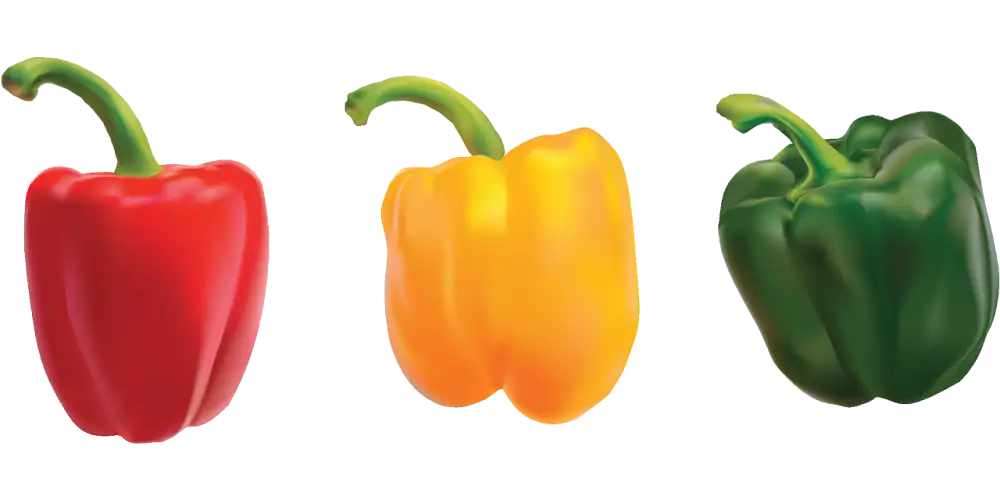
Red peppers, also known as bell peppers or sweet peppers, are vibrant and versatile vegetables that come in a variety of colors such as red, yellow, orange, and green. They belong to the Capsicum annuum species and are native to Central and South America. Red peppers have a crisp texture and a slightly sweet flavor, making them a popular ingredient in many cuisines around the world. They are rich in vitamins A and C, providing not only great taste but also numerous health benefits.
Nutritional Benefits of Red Peppers
Red peppers are not only vibrant in color and flavor but also pack a powerful nutritional punch. They are rich in vitamins A, C, and B6, as well as antioxidants like beta-carotene and capsanthin. These antioxidants help protect cells from damage and reduce inflammation in the body. Red peppers are also low in calories and high in fiber, making them a great addition to a healthy diet. Additionally, they contain minerals like potassium, which is essential for heart health, and folate, important for cell division and growth. Including red peppers in your meals can boost your immune system, improve digestion, and support overall health.
Culinary Uses of Red Peppers
Red peppers are a versatile ingredient that can be used in various culinary creations. They add a vibrant color and a sweet, slightly tangy flavor to dishes. Red peppers can be roasted, grilled, sautéed, or eaten raw, providing different textures and tastes. They are commonly used in salads, stir-fries, soups, stews, pasta dishes, and as a topping for pizzas. Red pepper puree can also be used as a flavorful base for sauces and dips. Additionally, red peppers can be stuffed with grains, meats, or cheeses for a delicious and visually appealing dish.
How to Select and Store Red Peppers
When selecting red peppers, look for ones that are firm, shiny, and have a deep red color. Avoid peppers with wrinkles, soft spots, or blemishes. The stem should be green and fresh-looking. To store red peppers, keep them in the refrigerator in a plastic bag for up to a week. If you want to extend their shelf life, you can also freeze them by slicing or chopping them first and then placing them in an airtight container or freezer bag. Remember to wash and dry the peppers thoroughly before storing them to prevent mold growth.
Fun Facts about Red Peppers
1. Red peppers are actually fruits, not vegetables, botanically classified as berries.
2. They are rich in vitamin C, containing more of this nutrient than oranges.
3. Red peppers come in different shapes and sizes, ranging from small and round to long and tapered.
4. The compound responsible for the spicy heat in red peppers is called capsaicin.
5. Red peppers can range in spiciness from mild to extremely hot, depending on the variety.
6. They are a popular ingredient in cuisines around the world, adding color and flavor to dishes.
7. Red peppers belong to the nightshade family, along with tomatoes and potatoes.
8. Roasting red peppers enhances their sweetness and depth of flavor, making them a versatile ingredient in various recipes.
These fun facts highlight the unique characteristics and versatility of red peppers in culinary creations.
In conclusion, roasted red peppers are a versatile and delicious addition to any dish, adding a vibrant color and sweet, smoky flavor. Not only do they enhance the taste of your culinary creations, but they also provide a range of health benefits due to their high vitamin C content, antioxidants, and anti-inflammatory properties. Whether you enjoy them in salads, sandwiches, pasta dishes, or as a topping for pizza, red peppers are sure to elevate your meals with their unique taste and nutritional value. So next time you're at the grocery store, be sure to pick up some red peppers and get creative in the kitchen!
Published: 20. 02. 2026
Category: Health