Understanding Penis Amputation: Surgical Removal for Health Reasons
Overview of Penis Amputation
Penis amputation, also known as penectomy, is a surgical procedure involving the partial or complete removal of the penis. This drastic measure is typically reserved for severe medical conditions such as penile cancer, traumatic injuries, severe infections, or gender affirming surgeries for transgender individuals. While rare, penis amputation may be necessary to save a person's life or improve their quality of life in cases where other treatments have failed. It is a complex and delicate procedure that requires careful consideration and consultation with medical professionals.
Reasons for Penis Amputation
Reasons for Penis Amputation can vary, but some common medical reasons include severe penile cancer that cannot be treated with other methods, traumatic injuries resulting in irreparable damage to the penis, and severe infections such as Fournier's gangrene. In some cases, individuals may choose to undergo penile amputation as a last resort to alleviate chronic pain or improve their quality of life due to conditions like gender dysphoria. It is important for healthcare providers to carefully assess each case and consider all possible treatment options before recommending penis amputation.
Surgical Procedure for Penis Amputation
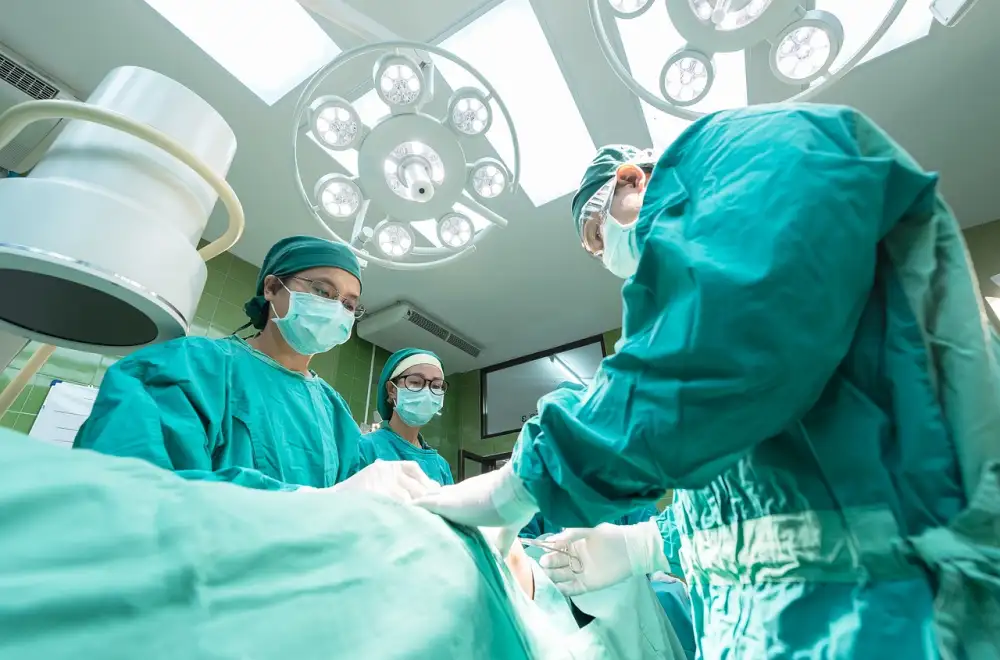
Surgical Procedure for Penis Amputation involves a careful and precise process carried out by a qualified surgeon. The procedure is typically performed under general anesthesia to ensure the patient's comfort and safety. The surgeon will make an incision at the base of the penis to remove the necessary tissue, ensuring that all affected areas are properly excised. Depending on the extent of the amputation required, the surgeon may need to reconstruct surrounding tissues for optimal healing and function. Following the amputation, meticulous care is taken to control bleeding and minimize the risk of infection.
Recovery Process After Penis Amputation
After undergoing penis amputation surgery, the recovery process is crucial for healing and adjusting to the changes. Patients will typically stay in the hospital for a few days to monitor for any complications and ensure proper wound care. Pain management strategies will be implemented to help alleviate discomfort during the initial recovery period.
Once discharged, patients will need to follow specific instructions provided by their healthcare team regarding wound care, hygiene practices, and activity restrictions. It is essential to keep the surgical site clean and dry to prevent infections. Regular follow-up appointments with healthcare providers are necessary to monitor healing progress and address any concerns that may arise.
During the recovery process, individuals may experience physical and emotional challenges as they adapt to life post-amputation. It is essential for patients to communicate openly with their healthcare team about any difficulties they may encounter. Counseling or support groups can also be beneficial in coping with the changes and seeking guidance on how to navigate intimacy and relationships after penis amputation.
Potential Complications and Risks
Penis amputation, like any surgical procedure, carries certain risks and potential complications. These may include infection at the surgical site, excessive bleeding, blood clots, adverse reactions to anesthesia, and wound healing issues. Additionally, there is a risk of changes in sensation or function post-amputation. It's crucial for individuals undergoing this procedure to be aware of these risks and closely follow post-operative care instructions to minimize complications and promote optimal healing.
Psychological and Emotional Impact
The psychological and emotional impact of penis amputation can be profound and complex. It is normal for individuals to experience a range of emotions such as shock, grief, anger, sadness, and even depression following such a life-altering surgery. Many may also struggle with feelings of loss, identity issues, and concerns about their self-worth and masculinity. It is crucial for individuals undergoing penis amputation to seek support from mental health professionals, support groups, and loved ones to navigate through these challenging emotions and adjust to the changes in their body image and sexual function.
Follow-Up Care and Rehabilitation
After undergoing penis amputation surgery, it is crucial for individuals to follow a comprehensive care plan to ensure optimal healing and recovery. This typically includes regular follow-up appointments with healthcare providers to monitor the surgical site, manage any pain or discomfort, and address any potential complications that may arise.
Rehabilitation after penis amputation may involve physical therapy to help regain strength and function in the pelvic area. Additionally, counseling or therapy sessions may be recommended to address any psychological or emotional challenges that individuals may face following the procedure.
It is important for individuals to adhere to their healthcare provider's recommendations regarding wound care, medication management, and lifestyle modifications post-surgery. Open communication with healthcare providers and seeking support from loved ones or support groups can also play a vital role in the recovery process.
Overall, a multidisciplinary approach to follow-up care and rehabilitation is essential to help individuals adjust to life after penis amputation and regain a sense of normalcy and well-being.
Support Resources for Individuals Post-Penis Amputation
After undergoing such a life-altering procedure, it is crucial for individuals to have access to support resources to help them navigate the physical, emotional, and psychological challenges that may arise. Support groups specifically tailored for individuals who have undergone penis amputation can provide a safe space for sharing experiences, coping strategies, and emotional support.
Additionally, counseling services with mental health professionals experienced in dealing with trauma and body image issues can be beneficial in helping individuals process their feelings and adjust to their new reality. Physical therapy may also be recommended to aid in rehabilitation and regain functionality.
It is important for individuals post-penis amputation to reach out for help when needed and not hesitate to seek support from healthcare providers, counselors, support groups, or online communities. Remember, you are not alone in this journey, and there are resources available to help you through this challenging time.
Published: 26. 02. 2026
Category: Food