Unleash the Power: Exploring the Thrills of Fourwheeler Drag Racing
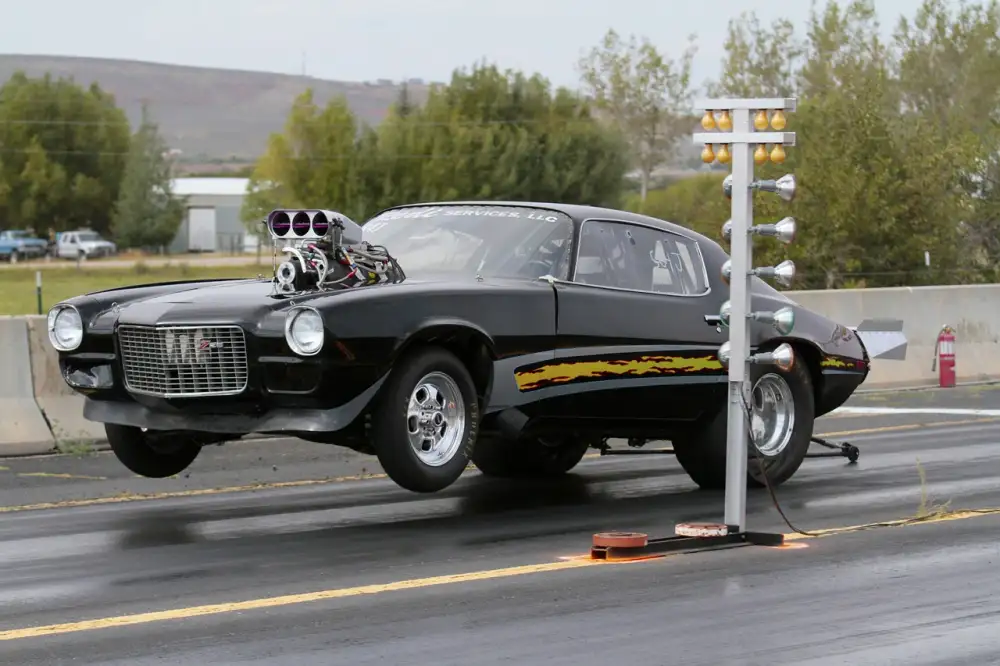
- History and Evolution of Fourwheeler Drag Racing
- Types of Fourwheeler Vehicles Used in Drag Racing
- Key Components and Modifications for Drag Racing Performance
- Rules and Regulations in Fourwheeler Drag Racing
- Popular Fourwheeler Drag Racing Events and Competitions
- Skills and Techniques Required for Successful Drag Racing
- Safety Measures and Precautions in Fourwheeler Drag Racing
- Famous Fourwheeler Drag Racing Champions and Teams
- The Thrill and Excitement of Fourwheeler Drag Racing
Fourwheeler drag racing is an exhilarating motorsport that involves high-speed races between specially modified vehicles. It is a test of both speed and skill, as drivers compete to see who can cover a quarter-mile distance in the shortest amount of time. The sport has gained immense popularity among racing enthusiasts, attracting participants from all walks of life. With its intense adrenaline rush and thrilling displays of power, fourwheeler drag racing has become a favorite pastime for many speed lovers. In this article, we will delve into the world of fourwheeler drag racing, exploring its history, types of vehicles used, key components and modifications, rules and regulations, popular events and competitions, required skills and techniques, safety measures, famous champions and teams, as well as the overall thrill and excitement it offers. So buckle up and get ready to unleash the power!
History and Evolution of Fourwheeler Drag Racing
Fourwheeler drag racing has a rich history that dates back to the early 1950s. It originated in the United States as an offshoot of street racing, where drivers would compete to see who had the fastest car. As the sport gained popularity, organized events began to take place on dedicated tracks.
In the beginning, drag racing was primarily a test of acceleration and top speed. However, as technology advanced, so did the vehicles used in drag racing. The introduction of specialized dragster cars and modifications such as superchargers and nitrous oxide systems revolutionized the sport.
The 1960s saw further advancements in fourwheeler drag racing with the advent of Funny Cars and Pro Stock vehicles. These vehicles were specifically designed for drag racing and featured lightweight bodies and powerful engines.
Over the years, fourwheeler drag racing has continued to evolve. New classes and categories have been introduced to cater to different types of vehicles and engine configurations. Today, there are various classes ranging from street legal cars to highly modified purpose-built machines.
The evolution of technology has also played a significant role in shaping fourwheeler drag racing. Advances in aerodynamics, engine design, tire technology, and computerized tuning systems have all contributed to faster times on the track.
Fourwheeler drag racing has become a global phenomenon with enthusiasts from all over the world participating in competitions. The sport continues to push boundaries with record-breaking speeds and thrilling races that captivate audiences worldwide.
As we look back at its history and evolution, it's clear that fourwheeler drag racing has come a long way since its humble beginnings. With each passing year, new innovations emerge, making it an exhilarating sport that showcases both engineering prowess and driver skill.
Types of Fourwheeler Vehicles Used in Drag Racing
In Fourwheeler Drag Racing, a variety of vehicles are used to compete in high-speed races. These vehicles are specifically designed and modified for maximum performance on the drag strip. The most common types of fourwheeler vehicles used in drag racing include muscle cars, sports cars, and motorcycles. These vehicles are chosen for their powerful engines, aerodynamic designs, and lightweight construction. Each type of vehicle brings its own unique advantages and characteristics to the race, making for an exciting and diverse competition on the drag strip.
Key Components and Modifications for Drag Racing Performance
In order to achieve maximum performance in fourwheeler drag racing, several key components and modifications are essential. First and foremost, the engine plays a crucial role. High-performance engines with increased horsepower and torque are a must. Turbochargers or superchargers can be added to boost the power output.
Another important component is the transmission. Upgrading to a manual or automatic transmission specifically designed for drag racing can greatly improve acceleration and overall performance. Additionally, modifications such as high-stall torque converters or shift kits can enhance launch control and shifting efficiency.
To optimize traction, drag racing vehicles require specialized tires with sticky compounds that provide maximum grip on the track surface. Wider rear tires are commonly used to increase traction during acceleration.
Suspension modifications are also necessary to ensure stability and control at high speeds. Stiffer springs, adjustable shocks, and sway bars help minimize body roll and maintain traction during acceleration.
Furthermore, weight reduction is crucial in drag racing. Removing unnecessary components and replacing them with lightweight alternatives, such as carbon fiber parts or aluminum panels, can significantly improve acceleration and overall performance.
Aerodynamics also play a vital role in drag racing. Adding spoilers, splitters, or wings helps reduce air resistance and increase downforce, improving stability at high speeds.
Lastly, tuning the vehicle's computer system is essential for optimizing performance. Adjusting fuel maps, ignition timing, and other parameters can fine-tune the engine's output for maximum power delivery.
Overall, these key components and modifications are essential for achieving top-level performance in fourwheeler drag racing competitions. By investing in these upgrades, racers can unleash the full potential of their vehicles on the track.
Rules and Regulations in Fourwheeler Drag Racing
In Fourwheeler Drag Racing, there are specific rules and regulations that govern the sport to ensure fair competition and safety. Firstly, all vehicles must meet certain requirements such as having a valid driver's license, registration, and insurance. Additionally, vehicles must pass a technical inspection to ensure they meet safety standards.
There are also regulations regarding the race itself. Each race consists of two vehicles competing side by side on a straight track. The winner is determined by who crosses the finish line first. False starts or crossing lane boundaries can result in disqualification.
To maintain fairness, different classes are created based on factors such as vehicle weight, engine size, and modifications allowed. This ensures that vehicles with similar capabilities compete against each other.
Safety is of utmost importance in drag racing. Drivers must wear approved helmets and fire-resistant suits. Vehicles must have proper safety equipment such as roll cages, seat belts, and fire extinguishers.
Strict guidelines are in place for fuel types and tire specifications to prevent any advantages or hazards. Any violations of these rules can lead to penalties or disqualification.
By adhering to these rules and regulations, Fourwheeler Drag Racing maintains its integrity as an exciting and competitive motorsport while prioritizing the safety of both drivers and spectators alike.
Popular Fourwheeler Drag Racing Events and Competitions
Fourwheeler drag racing has gained immense popularity over the years, leading to the emergence of several exciting events and competitions around the world. These events attract both professional racers and passionate enthusiasts who are eager to showcase their skills and vehicles on the drag strip.
One of the most renowned drag racing events is the National Hot Rod Association (NHRA) Championship, held in various locations across the United States. This event features multiple categories, including Top Fuel, Funny Car, Pro Stock, and Pro Mod, where drivers compete for the coveted championship title.
Another notable event is the European Drag Racing Championship (EDRC), which takes place in different countries throughout Europe. The EDRC attracts top racers from all over the continent, showcasing a wide range of fourwheeler vehicles and intense competition.
The Street Car Super Nationals (SCSN) is a popular event that brings together both professional racers and street car enthusiasts. Held in Las Vegas, this event offers a unique blend of high-speed racing and a vibrant atmosphere.
The World Series of Drag Racing is an iconic event that has been running since 1953. Located at Cordova International Raceway in Illinois, it attracts thousands of spectators who come to witness thrilling races featuring various classes of fourwheeler vehicles.
These are just a few examples of the many exciting drag racing events happening worldwide. Each event offers its own unique experience for both participants and spectators alike. Whether you're a fan or a racer, attending these events is an opportunity to witness incredible speed, adrenaline-pumping action, and fierce competition in the world of fourwheeler drag racing.
Skills and Techniques Required for Successful Drag Racing
Successful drag racing requires a combination of skill, technique, and precision. Firstly, drivers must have excellent reaction times to launch their vehicles off the starting line with lightning-fast reflexes. They need to master the art of feathering the throttle to achieve maximum traction without spinning their wheels.
Additionally, drivers must possess exceptional car control skills to maintain stability and prevent fishtailing during high-speed runs. This involves precise steering inputs and throttle modulation to keep the vehicle on a straight path down the track.
Furthermore, understanding weight transfer is crucial in drag racing. Drivers must know how to shift weight from front to rear or side to side to optimize traction and improve acceleration. This can be achieved through techniques such as power shifting and wheelie bars.
Lastly, successful drag racers are constantly honing their skills through practice and experience. They study data from previous runs, analyze track conditions, and make adjustments accordingly. They also keep up-to-date with advancements in technology and performance modifications to stay ahead of the competition.
In conclusion, mastering drag racing requires a combination of quick reflexes, precise car control skills, knowledge of weight transfer dynamics, and continuous improvement through practice and learning. Only those who possess these skills can truly excel in this exhilarating motorsport.
Safety Measures and Precautions in Fourwheeler Drag Racing
Safety is of utmost importance in fourwheeler drag racing. Participants must adhere to strict safety measures and precautions to ensure their well-being. Helmets, fire-resistant suits, gloves, and boots are mandatory for all drivers. Additionally, vehicles must be equipped with roll cages, harnesses, and fire extinguishers. Regular inspections are conducted to check the integrity of the vehicles and ensure compliance with safety standards. Safety briefings are held before each race to remind participants of the importance of following rules and regulations. By prioritizing safety, fourwheeler drag racing can continue to be an exhilarating yet safe sport for all involved.
Famous Fourwheeler Drag Racing Champions and Teams
Over the years, several champions and teams have emerged in the world of fourwheeler drag racing. One such legendary champion is John Force, a 16-time NHRA Funny Car champion. His team, John Force Racing, has dominated the sport with their exceptional performance and record-breaking runs.
Another notable name in the drag racing world is Don Garlits, known as the "Father of Drag Racing." Garlits revolutionized the sport with his innovative designs and techniques. His team, Don Garlits Racing, has left an indelible mark on the history of drag racing.
Shirley Muldowney is another iconic figure in fourwheeler drag racing. She became the first woman to win a major professional title in NHRA Top Fuel Dragster category. Muldowney's achievements paved the way for many female racers to enter and excel in this male-dominated sport.
Other renowned teams include Kalitta Motorsports, led by Connie Kalitta, and Don Schumacher Racing, owned by Don Schumacher. These teams have consistently produced top-notch performances and have a long list of championship titles to their credit.
These famous champions and teams have not only achieved remarkable success but have also inspired generations of aspiring racers to push their limits in pursuit of greatness. Their dedication, skill, and passion for fourwheeler drag racing continue to shape the future of this thrilling motorsport.
The Thrill and Excitement of Fourwheeler Drag Racing
The thrill and excitement of fourwheeler drag racing is unparalleled. The sheer power and speed of these vehicles as they accelerate down the track is a sight to behold. The adrenaline rush experienced by both the drivers and the spectators is electrifying.
The anticipation builds as the engines roar, waiting for the green light to signal the start of the race. In a matter of seconds, these machines go from zero to over 300 miles per hour, covering a quarter mile distance in just a few heart-stopping moments.
The deafening sound of engines revving, tires screeching, and crowds cheering adds to the overall atmosphere of excitement. The intense competition between drivers pushes them to their limits, as they strive for victory and glory.
The unpredictability of drag racing adds an element of suspense. With such high speeds and close finishes, every race is a nail-biting experience. One small mistake can cost a driver the win, making each run even more thrilling.
For spectators, watching these powerful machines in action is awe-inspiring. The acceleration forces that drivers experience are unimaginable for most people. Witnessing these feats of engineering and skill up close creates an unforgettable experience.
Fourwheeler drag racing also offers a sense of community among enthusiasts. Fans gather at events to share their passion for speed and performance. It's an opportunity to connect with like-minded individuals who appreciate the thrill that comes with this sport.
In conclusion, fourwheeler drag racing provides an unmatched level of thrill and excitement for both participants and spectators alike. The combination of raw power, speed, competition, and community makes it an exhilarating experience that continues to captivate audiences worldwide.
As we look to the future, it is clear that fourwheeler drag racing will continue to captivate audiences and push the boundaries of automotive performance. With advancements in technology and engineering, we can expect even faster speeds and more thrilling races.
The popularity of drag racing shows no signs of slowing down, with new events and competitions emerging around the world. As more enthusiasts join the sport, the competition will only become fiercer.
However, it is crucial to balance this excitement with safety measures and precautions. The well-being of both drivers and spectators should always be a top priority. By enforcing strict regulations and ensuring proper training, we can ensure that drag racing remains a thrilling yet safe sport.
In conclusion, fourwheeler drag racing is an adrenaline-fueled sport that continues to evolve and excite. With its rich history, dedicated champions, and passionate fans, it is clear that this high-octane form of racing will continue to thrive for years to come. So buckle up and get ready for the exhilarating ride that is fourwheeler drag racing!
Published: 11. 01. 2024
Category: Home